stewardship Saturdays
Invasive Species Pulls
As pretty as some exotic plants look, they can have devastating impacts on our local environment!
Help restore wildlife habitat at Wye Marsh.
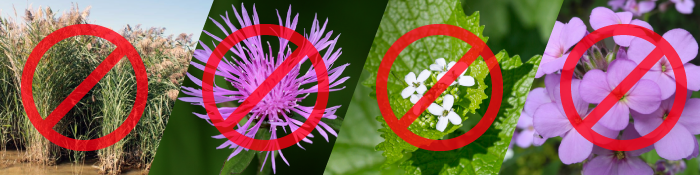
Above: Phragmites, Spotted Knapweed, Garlic Mustard, and Dames Rocket
Learn how to safely remove invasive plants from the area. Join us for just two hours on any of the days listed below - and you will make a difference!
Registration preferred. Drop-ins welcome. Please call Rachel Pigden 705-526-7809 ext. 205, or email rpigden@wyemarsh.com
If possible, please bring your gardening gloves, drinking water, and bug spray.
Dates:
Saturdays from 2:00 - 4:00 pm... (but not on July 11, 18 or August 22)
- June 6
- June 13
- June 20
- June 27
- July 4
- July 25
- August 1
- August 8
- August 22 - Community Planting Day (weather permitting) Help us plant natives in the areas we have removed invasives from! Join us from 10am- 2pm. We will provide gloves and equipment, but please bring your own water, closed-toe shoes, sunscreen/bug repellant, and appropriate clothing. Pizza lunch included! Admission for the day is free for participants.
- August 29 - Rain Date for Community Planting Day
Some invasives you might help to manage:
Dames Rocket
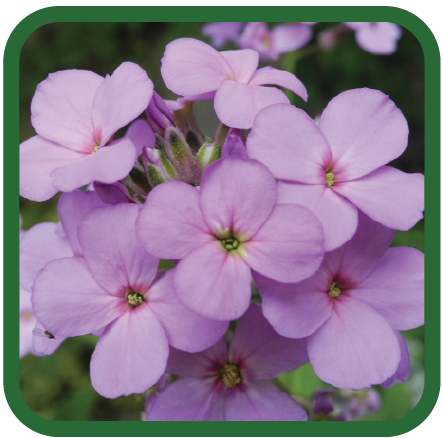
Introduced to North America in the 1600s by European settlers for its use as an ornamental garden plant.
Since then, its prolific seed production has allowed it to colonize a variety of natural areas such as meadows, roadsides and disturbed areas. Once it takes hold in an area, it excludes native species by forming dense monocultures.
Garlic Mustard
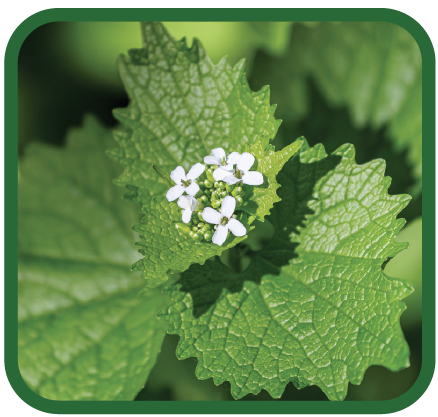 An edible herb native to Europe that was brought to North America in the early 1800s. Since its arrival in North America it has escaped into the wild and is now one of Ontario’s most aggressive forest invaders. Garlic mustard can invade relatively undisturbed forests. Once established it can displace native wildflowers like Trilliums. It hinders other plants by interfering with the growth of fungi that bring nutrients to the roots of the plants.
Spotted Knapweed
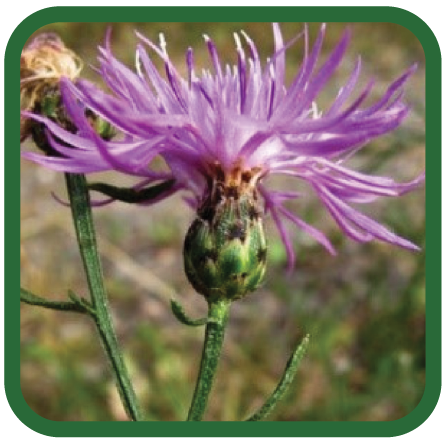 Accidentally introduced into North America from Western, Central and Eastern Eurpe in the late 1800s in contaminated alfalfa clover seed and soil used for ship ballast. Before it was considered a serious weed, it was spread in domestic hay and through human activities. It is a highly competitive weed that invades disturbed areas and degrades native plant communities.
Phragmites
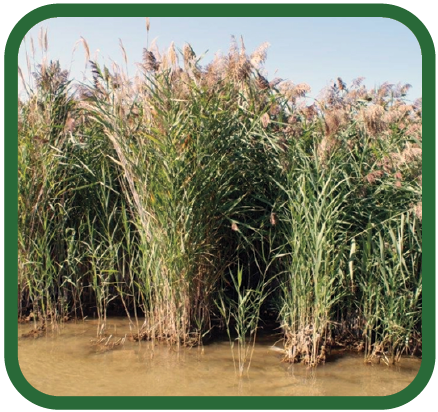 While native Phragmites are a natural part of our local ecosystem, the Eurasian form is not. Alien to our wetland, it grows in tall tight stands that are destroying vital turtle habitat at Wye Marsh. Help our turtles. Become a Phragmites Fighter!
 Our Supporters: